
Author: Sean Haydock





Made for practical, flexible orders
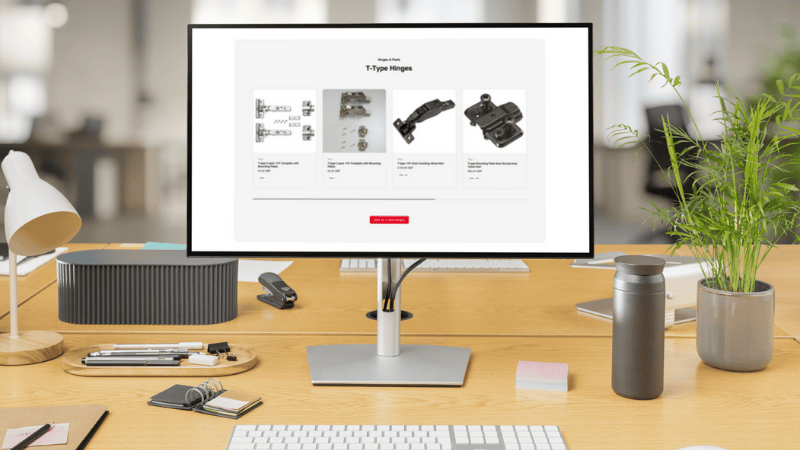
Not every job calls for a bulk order or full-service partnership. The shop is designed for teams who need quality components in smaller volumes, quickly and without fuss.
It’s made for when you need to:
- Fill short-term gaps in supply to prevent delays
- Test parts on a new product before committing to larger volumes
- Order parts by the box for smaller production runs
- Avoid delays by ordering directly, with shorter lead times
There’s no complex ordering process or high minimum spend. Choose the components you need, order by the box and we’ll send them straight from our UK warehouse with reliable delivery times.
“The shop opens a new door for customers to experience our products on their terms. It’s a quick, convenient way to access the essential Titus components that keep your operations moving smoothly. We’re excited to offer this added flexibility to manufacturers and look forward to welcoming new customers to Titus through this channel.”
Gary McMahon, UK Marketing, Titus

Still built on partnerships

Titus isn’t just a parts supplier; first and foremost, we’re a partner. Most of our work involves long-term relationships with manufacturers and retailers, supporting product development, improving performance and delivering components at scale.
The online shop doesn’t replace the way we usually work. It’s designed for easy ordering in smaller volumes, not for custom builds or complex projects.
If you go on to scale up, explore a new product or want to build a closer relationship with Titus, our team will be on hand to support that. From first contact to full supply, we’ll help you take the next step.
Here’s what our core service typically includes:
- High-volume supply with consistent lead times
- Tailored component development to meet your specific needs
- Technical support that improves performance and solves engineering challenges
- Hands-on guidance from concept through to delivery
- A dedicated UK team focused on long-term partnerships